Students rarely stop out all at once. Progress fades in patterns that are usually clear only in hindsight.
October 27, 2026
11:00 AM - 12:00 PM CDT
A missed assignment. A course quietly going sideways. A work schedule that no longer leaves room for class. A request for help that never turned into real support. Individually, none of these look urgent – together, and caught early enough, they’re usually the clearest warning a college will get.
This session focuses on how colleges move from "we should reach out" to "we reached out, and it worked."
The real challenge isn’t spotting the signals – it’s that the data lives in different systems, the response depends on who happens to see it first, and by the time enough people notice, the moment to help has already passed. The goal is a support system that runs on evidence of what works, not on how many outreach attempts a team can log.
Panelists
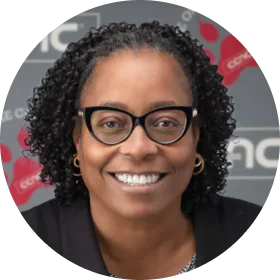
Dr. Dorothy Collins
VP for Enrollment Services and Student Affairs Community College of Allegheny County
Dr. Logan Maxwell
Vice President of Student Services
Grayson College
Patrick Sanger
Dean/Executive Director of IER
Alvin College
What You'll Learn
Learn which early signals colleges use to separate real drift from noise.
See how colleges bring data together into one shared picture instead of five separate ones.
Explore how advising, faculty, and student services use shared patterns of need to coordinate outreach so a struggling student isn't bounced between offices.
Understand how colleges route an alert to someone with the context and authority to actually help - not just whoever is available.
Hear how leaders use outcome evidence to verify whether an intervention actually changed a student's path, not just added another attempt to the record.